The three layers of a quilt
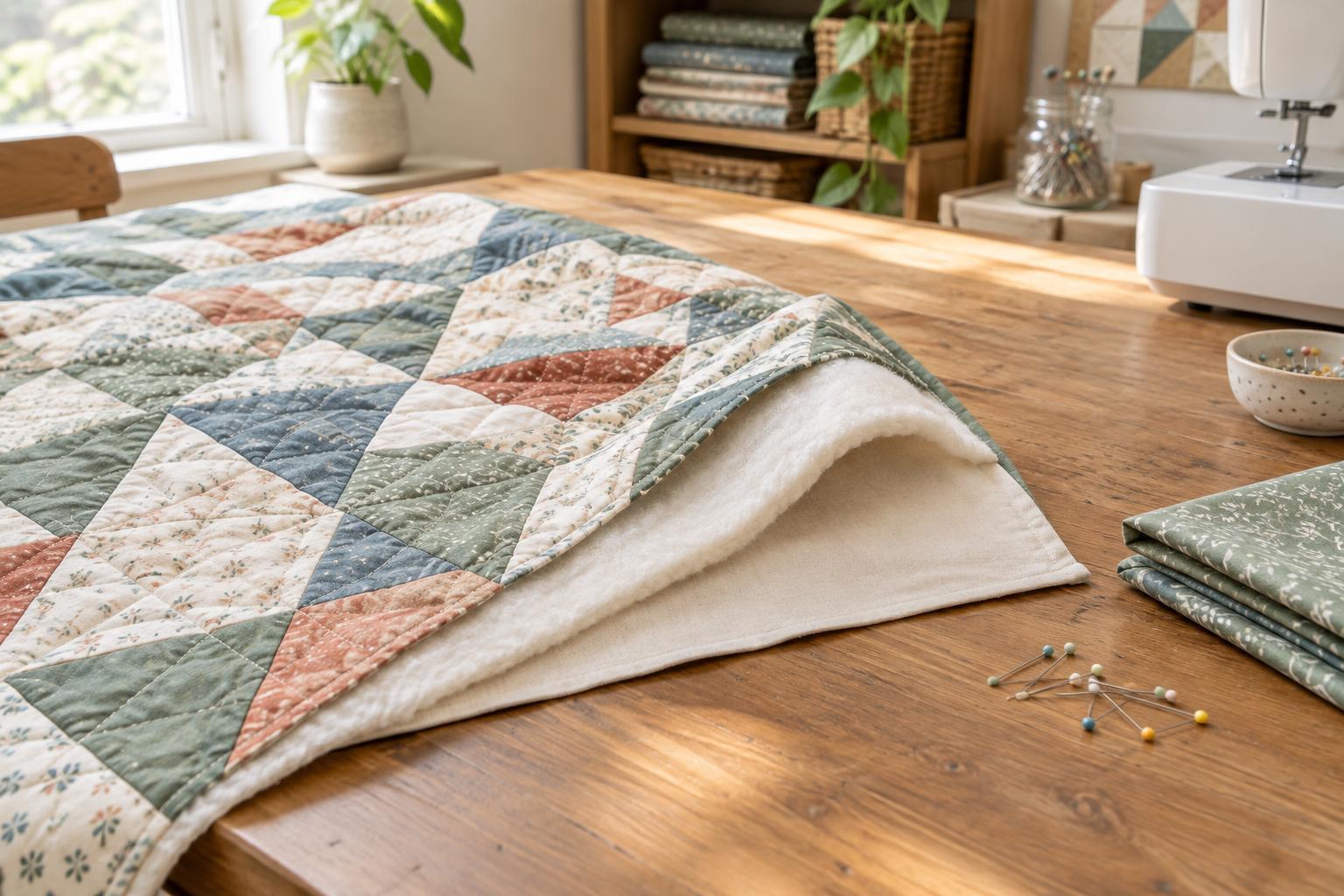
A typical quilt is a fabric sandwich: a decorative quilt top, a middle layer of batting, and a fabric backing. Quilting stitches pass through all three layers to hold them together. A binding usually covers the raw edges after quilting. Each layer affects how the finished quilt looks, feels and holds up to use.
Thinking about the layers separately makes planning easier. The top is where you make most of the design decisions. Batting influences thickness, drape and warmth. Backing completes the reverse side and provides a stable surface for the quilting stitches. None has to be elaborate, but all three need to work together.
The quilt top: design and structure
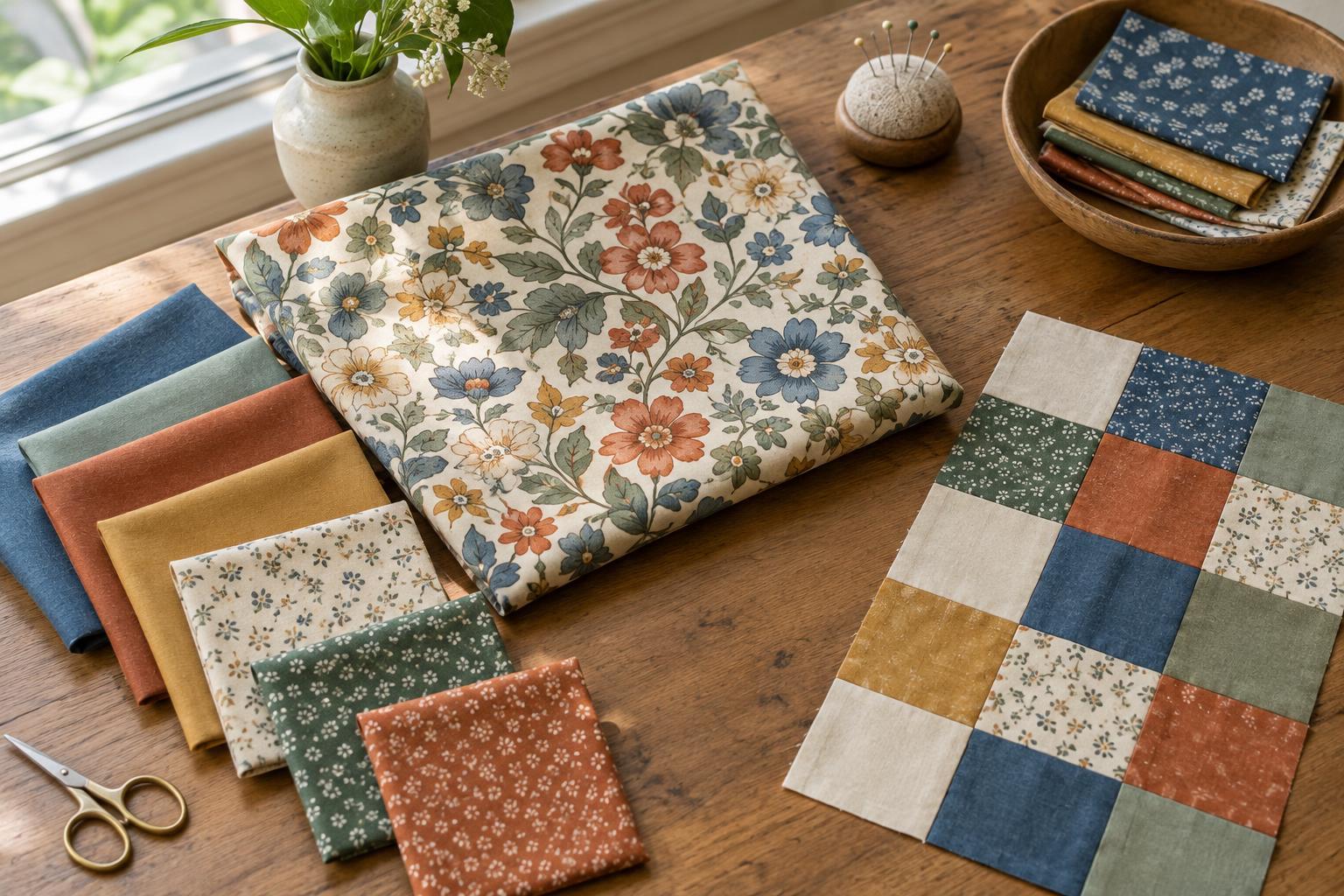
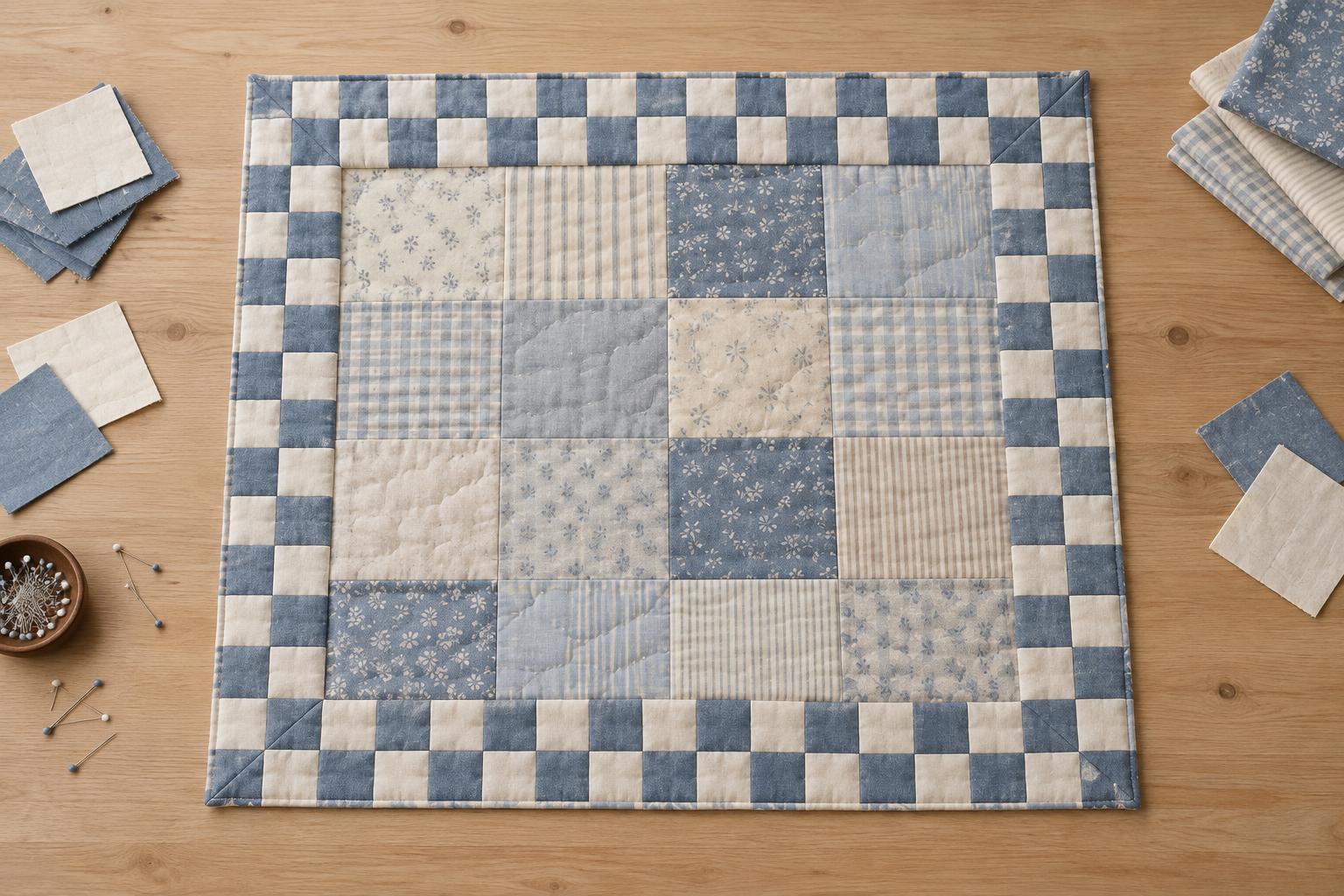
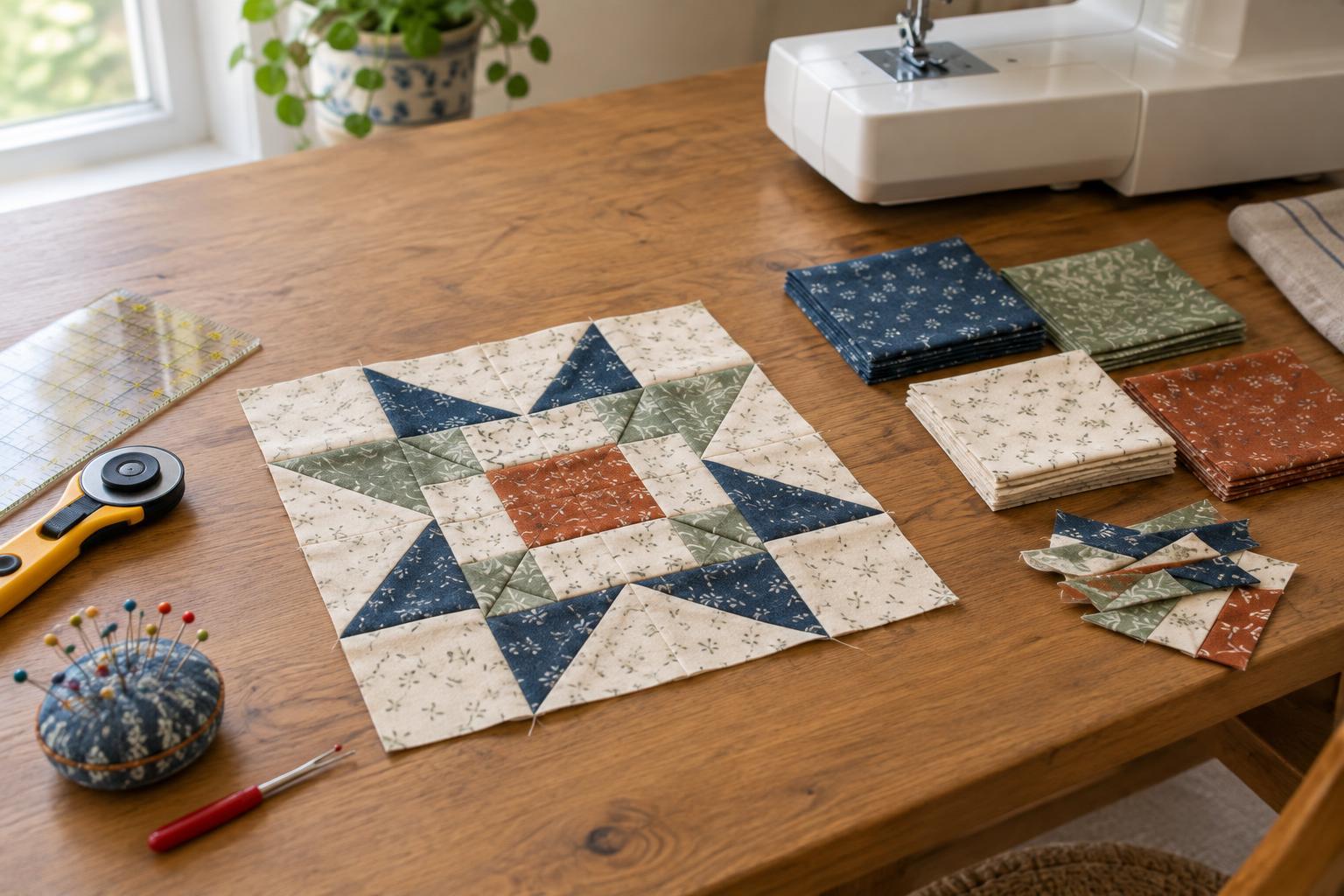
The quilt top is the visible patchwork or whole-cloth surface. A pieced top may contain blocks, borders and sashing; a whole-cloth top may rely on the quilting stitches for its pattern. In either case, the top needs to lie reasonably flat before it is layered. Ripples, stretched edges and bulky seam intersections can become harder to manage once batting and backing are underneath.
Press the top as you construct it, and check that its seams are secure. Trim loose threads, especially dark ones that might show through pale fabric. If the top has bias edges—edges cut diagonally across the fabric grain—handle them gently to limit stretching. For a first quilt, a simple top with consistent seam allowances is often easier to quilt than one with many tiny pieces or heavy embellishments.
Batting: body, softness and warmth
Batting is the filling between the top and backing. It gives the quilt body and helps create the raised texture you see around quilting stitches. Batting varies in fiber, thickness and loft, meaning how puffy it is. A thin batting can produce a flatter, more flexible quilt, while a loftier one can make quilting texture more pronounced. The finished feel also depends on the fabrics and the density of the quilting.
Common options include cotton, polyester, wool and blends. Each can behave differently during handling, washing and use, so choose according to the quilt’s purpose and the batting maker’s care instructions. Also check the maker’s recommended maximum distance between quilting lines: some battings need closer stitching to stay secure. If you want to prewash batting, follow its specific instructions rather than assuming it should be treated like quilting cotton.
Backing: support with room to work
The backing is the fabric on the reverse of the quilt. It supports the quilting stitches and may be plain, printed or pieced. A smooth, sturdy fabric that suits the intended use is a practical choice. Prints can make small variations in stitching less noticeable, while a solid backing may show the quilting design more clearly. If you piece a backing, press its seams so they do not form uncomfortable ridges.
Cut the backing larger than the quilt top on every side. Batting should also extend beyond the top. This extra margin gives you room to secure the layers and helps accommodate small shifts as you quilt. The amount needed depends on whether you quilt by hand, on a domestic machine or with another setup; check the requirements for your method before cutting. Smooth and press the backing before layering so creases are less likely to be trapped inside.
How the layers become one quilt
To assemble the quilt sandwich, lay the backing wrong side up, place the batting over it, and set the quilt top right side up on top. Smooth each layer from the center outward without pulling it tight enough to distort the fabric. Secure the sandwich with pins, thread basting or another method suited to your quilting plan. Basting keeps the layers from shifting before permanent stitches are added.
As you quilt, work in a way that supports the weight of the project and check occasionally for folds on the back. When the quilting is complete, trim the excess batting and backing, then finish the edges with binding. Understanding the job of each layer helps you troubleshoot: if the top will not lie flat, examine the piecing; if the quilt feels too stiff or puffy, consider batting and stitch density; if the reverse puckers, look at how the backing was smoothed and secured.